
Why it’s important
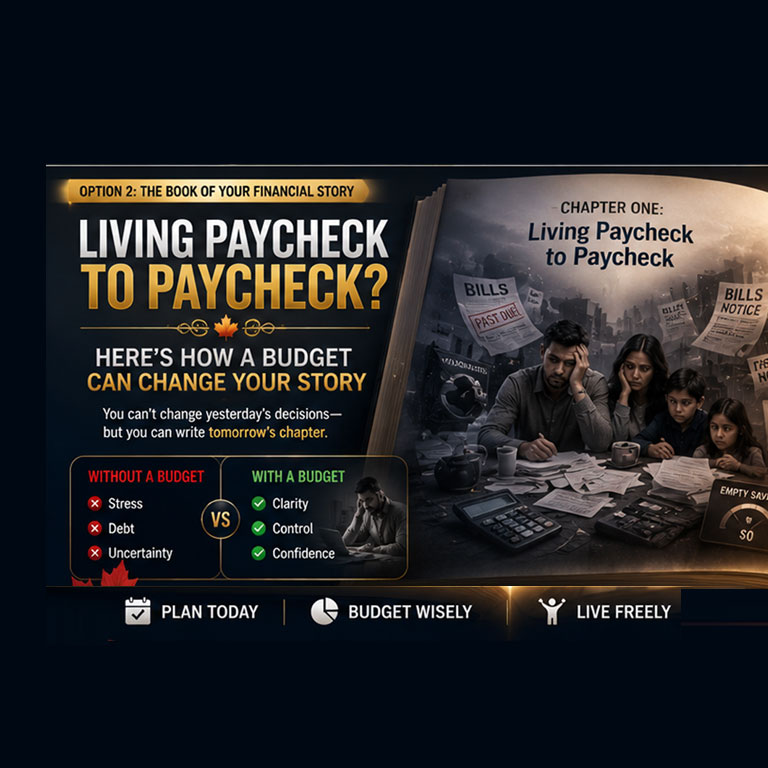
Living paycheck to paycheck can feel exhausting and discouraging. No matter how hard you work, the money seems to disappear quickly, leaving little room for savings, emergencies, or long-term plans. Many families experience this cycle – not because they lack income, but because they lack a clear system for managing it. The good news is that a practical budget can change your financial story. It turns confusion into clarity, stress into control, and uncertainty into confidence.
A budget is not about restriction; it is about direction. It helps you understand where your money is going, prioritize what matters most, and make intentional decisions about spending and saving. When you have a plan for your money, you begin to feel more in control of your finances and your future.
“Not every expense is essential. A strong budget helps you distinguish between what you must pay for and what you can reduce or delay.”
– Juliet Oregbe, Business Strategist
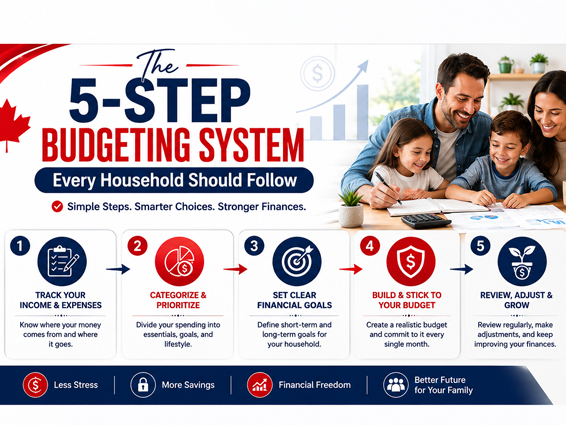
Step 1: Know Your Numbers
The first step to breaking the paycheck-to-paycheck cycle is understanding your income and expenses. List all sources of income and track your monthly spending, including rent or mortgage, groceries, transportation, utilities, and subscriptions. Many people are surprised to discover how small, frequent expenses add up over time. Awareness is the foundation of financial progress.


Step 2: Separate Needs From Wants
Not every expense is essential. A strong budget helps you distinguish between what you must pay for and what you can reduce or delay. This does not mean eliminating enjoyment from your life – it simply means aligning your spending with your priorities. When families focus on needs first, they create room for savings and stability.
Step 3: Create a Plan for Every Dollar
A successful budget assigns a purpose to every dollar you earn. This includes covering daily expenses, paying down debt, building savings, and preparing for future goals. Even small, consistent amounts can make a big difference over time. The goal is not perfection but progress.
Step 4: Build an Emergency Cushion
Unexpected expenses – car repairs, medical bills, or temporary job loss – can quickly disrupt your finances. Setting aside a small emergency fund each month provides a financial buffer and reduces reliance on credit or loans. Over time, this cushion becomes a source of confidence and peace of mind.
Step 5: Review and Adjust Regularly
Life changes, and your budget should change with it. Review your spending regularly and make adjustments as needed. A flexible budget keeps you on track while allowing you to respond to new priorities or challenges.
A Budget Is a Tool for Transformation
Moving from financial stress to financial stability does not happen overnight, but it begins with a simple decision to take control of your money. A well-structured budget helps families reduce debt, increase savings, and build a stronger financial future. It replaces guesswork with strategy and anxiety with assurance.

Our final thoughts
If you are tired of living paycheck to paycheck and ready for a better financial plan, Mudia Wellness Center can help. We provide practical budgeting guidance, financial education, and personalized support to help you take control of your finances and change your story – one smart decision at a time.